
Day 1: Midtown Icons and Central Park
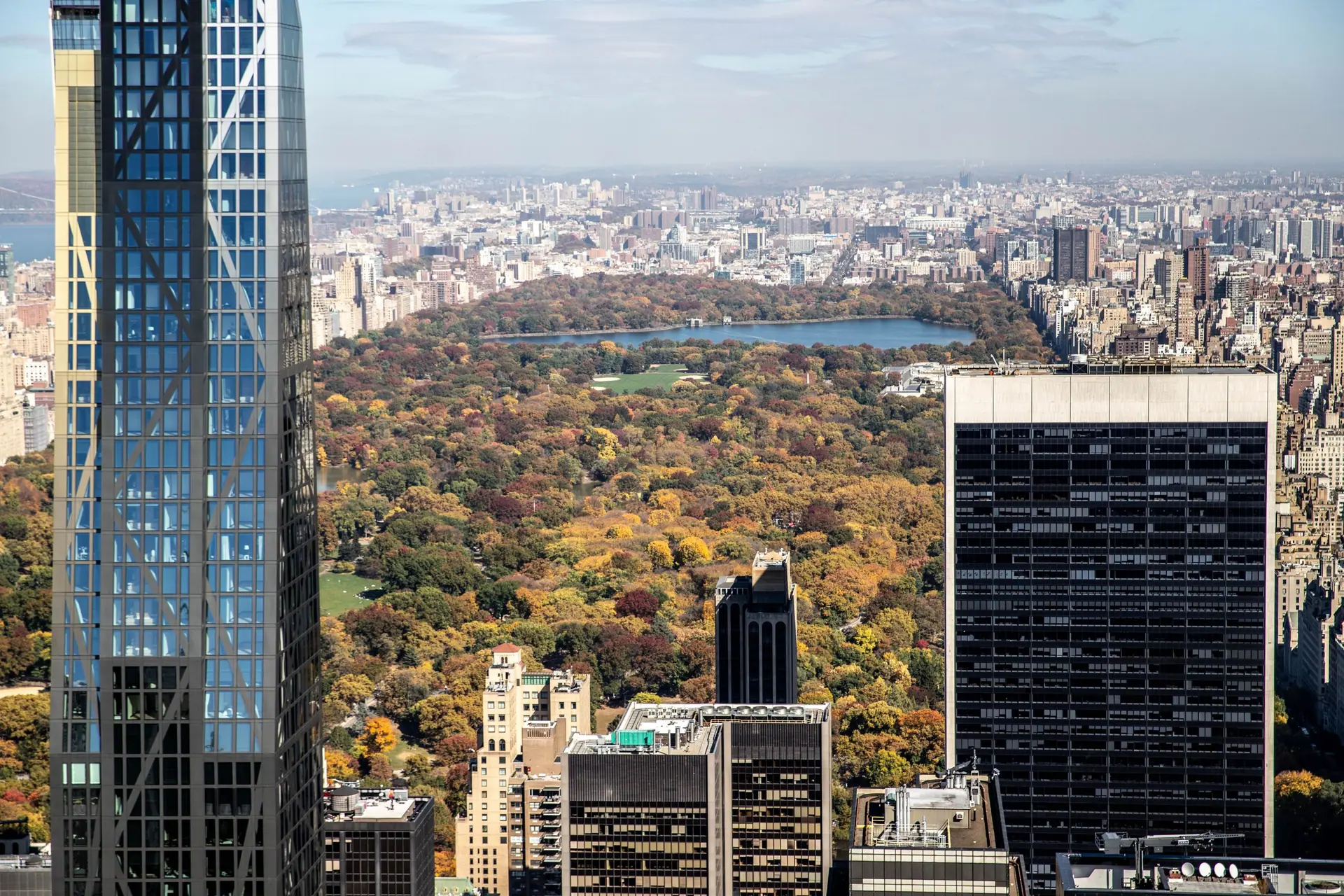
Start at Grand Central Terminal on 42nd Street—arrive by 8:30am to see the main concourse before crowds. From there, walk five minutes to the New York Public Library's Stephen A. Schwarzman Building; the children's section is free and has story hours. Continue to Bryant Park for a quick break, then head uptown on the B or D train to 59th Street–Columbus Circle. Enter Central Park at Merchants' Gate and rent bikes or surreys near the entrance; a family of four can expect to pay around $40–$60 per hour, but you can bring your own helmets to save.
For lunch, leave the park at 72nd Street and grab pizza at any of the casual spots on Amsterdam Avenue—a large pie runs $20–$30. Afternoon: the American Museum of Natural History (AMNH) on Central Park West at 79th Street. Book timed-entry tickets online ($23–$28 per adult, children 2–12 $13–$18; pay-what-you-wish for NYC residents). The dinosaur halls and Hayden Planetarium are highlights. End the day with a walk through the park to Bethesda Terrace and the fountain, a favourite for kids to run around. Dinner: family-friendly options along Columbus Avenue, such as diners with kids' menus.
Day 2: Downtown Landmarks and Ferries
Take the 4 or 5 train to Bowling Green for the Statue of Liberty and Ellis Island. Book ferry tickets online ($18–$25 per adult, $9–$12 per child) and reserve the first departure at 8:30am to avoid long security lines. The ferry from Battery Park includes access to both islands; plan three to four hours. If you have young children, consider the free Staten Island Ferry instead—it departs from Whitehall Terminal and offers close-up views of the statue without the crowds. Afterward, walk to the National Museum of the American Indian (free) at 1 Bowling Green, which has engaging exhibits for all ages.
Lunch near Stone Street, a cobblestone pedestrian zone with casual eateries—expect $10–$15 per person for sandwiches or tacos. Then head to the 9/11 Memorial & Museum (timed tickets $26–$33 adults, $15–$20 children 7–17; free for ages 6 and under). The memorial pools are solemn but impactful for older children; the museum is best for ages 10 and up. If time allows, walk to Brookfield Place for a break in the Winter Garden atrium. End the day with a walk across the Brooklyn Bridge—start from City Hall Park and walk to the first tower for photos, then return. Dinner in Chinatown on Mott Street: dumplings and noodle soups are budget-friendly ($8–$12 per dish).
Day 3: Museums and Neighbourhood Exploration
Begin at the Metropolitan Museum of Art on Fifth Avenue at 82nd Street. Arrive at opening (10am) to beat the crowds; tickets are $30 for adults, free for children under 12. The Egyptian Temple of Dendur and the Arms and Armor hall are kid favourites. After two hours, walk through Central Park to the Upper West Side for lunch along Broadway—try a deli for made-to-order sandwiches ($10–$15). In the afternoon, visit the Intrepid Museum (Pier 86, 46th Street and 12th Avenue) if your family enjoys ships and aircraft; tickets $33–$36 adults, $26–$29 children 5–12. Alternatively, the Children's Museum of Manhattan on West 83rd Street is excellent for younger kids ($15 per person).
For a change of pace, take the 1 train to Christopher Street–Sheridan Square and explore Greenwich Village. Stop at Bleecker Street for a slice of pizza ($4–$5) and Washington Square Park, where street performers often entertain. If your family enjoys shopping, the options along Sixth Avenue in the West Village are more relaxed than Midtown. Return to your hotel via the subway; a 7-day unlimited MetroCard is $33 per person and pays off if you ride more than 12 times. For dinner, choose a family-friendly Italian restaurant in the Village—entrées $15–$25. This evening, consider a Broadway show: check TKTS booth in Times Square for same-day discounts, but arrive early for matinee or evening performances.
Related articles
Keep reading
Questions
What is the best time of year to visit Manhattan with kids?
Late spring (May–June) and early autumn (September–October) offer mild weather and fewer crowds than summer. December is festive but busy; January and February are cold but cheaper, with hotel rates often 20–30% lower.
How do we get around Manhattan with children?
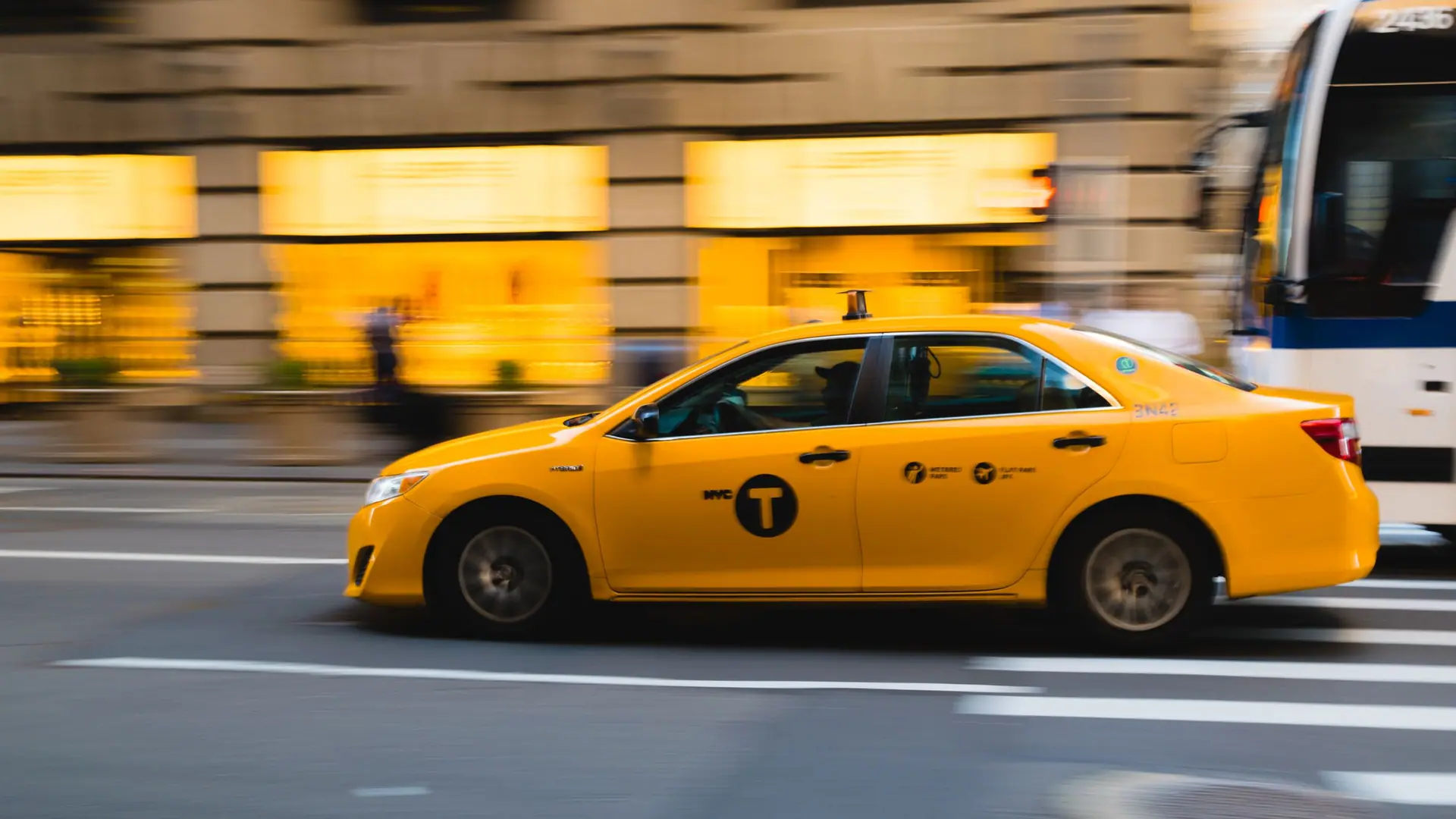
The subway is fastest for longer distances; buses are slower but easier with strollers. Buy a 7-day unlimited MetroCard ($33) if you'll ride more than 12 times. Taxis and rideshares are convenient but can be costly in traffic.
Which neighbourhood is best for a family hotel?
Midtown East or the Upper West Side offer family-friendly hotels with larger rooms and easy subway access. Midtown is central for sightseeing; the Upper West Side is quieter and near Central Park and the American Museum of Natural History.
Are there free activities for families in Manhattan?
Yes: Central Park, the Staten Island Ferry, the High Line, and many museums offer pay-what-you-wish hours. The New York Public Library and Bryant Park host free children's events. Check each venue's website for schedules.
What should we book in advance?
Book timed-entry tickets for the Statue of Liberty ferry, the 9/11 Memorial & Museum, and the American Museum of Natural History. Broadway shows can be bought same-day at TKTS, but popular family shows sell out—reserve online.
How much walking is involved each day?
Expect 3–5 miles of walking daily. Wear comfortable shoes and plan breaks. The subway helps, but many attractions are clustered, so you'll still walk between them. Consider a lightweight stroller for younger children.
Is Manhattan safe for families?
Manhattan is generally safe for tourists. Use common sense: stay aware in crowded areas, keep valuables secure, and supervise children on the subway. Avoid poorly lit streets late at night, and stick to busy areas.
What should we skip if we have limited time?
Skip the Empire State Building observation deck if you've done Top of the Rock; the views are similar. Avoid Times Square character photos (they expect tips) and skip the crowded chain restaurants in favour of local eateries.