
Getting Around: Subway, Walking, and the Occasional Taxi
The subway is your best bet for cheap, fast travel. A single ride costs $2.90 with a MetroCard or OMNY tap, and a 7-day unlimited MetroCard is $34. If you're staying for a week or longer, that pass pays for itself after 12 rides. Stations are everywhere: you're rarely more than a 10-minute walk from one in Manhattan. Just note that the subway doesn't go everywhere—crosstown trips in Midtown often require a bus or a long walk. For short hops, walking is free and often faster than waiting for a train.
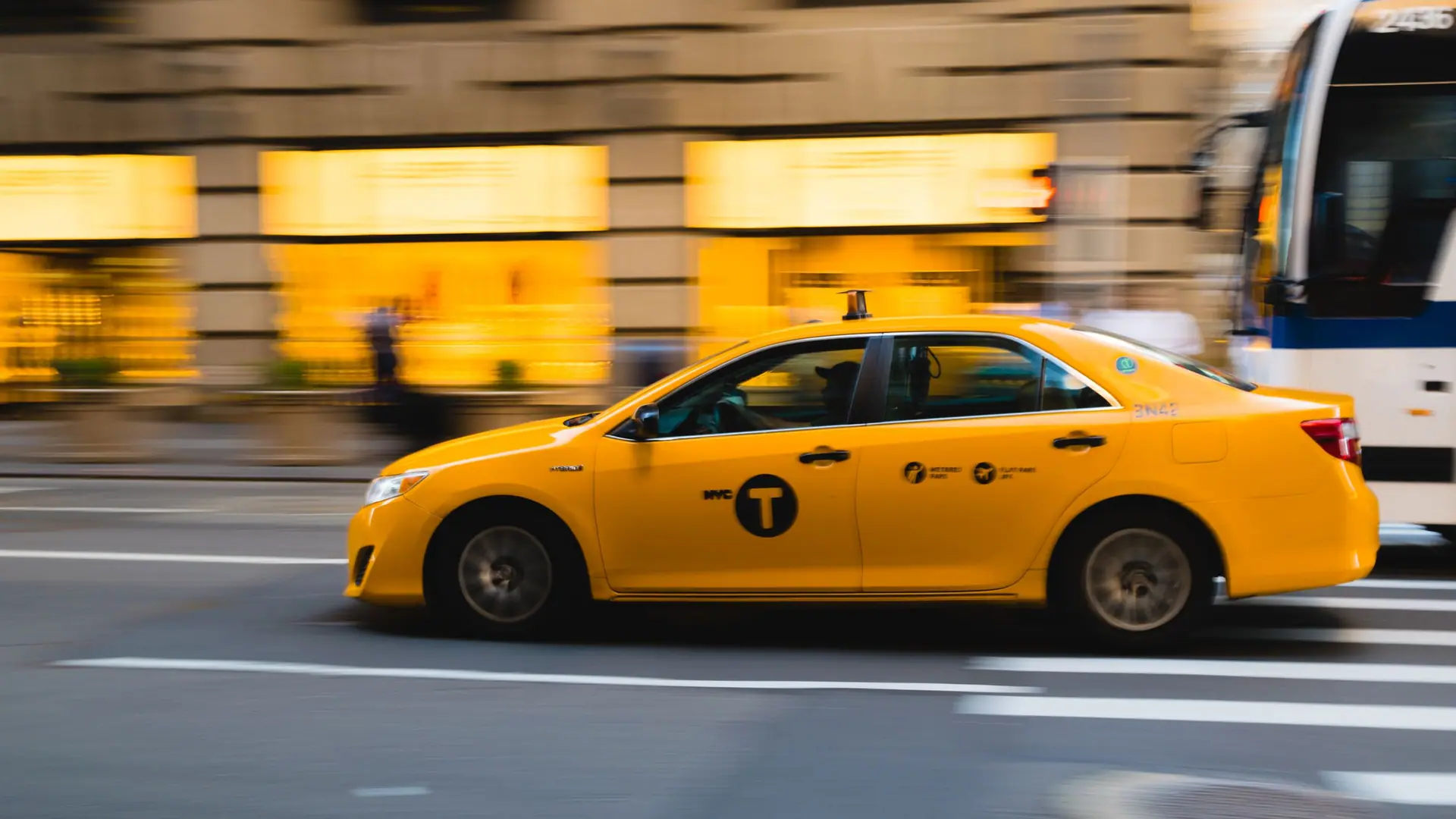
Taxis and ride-shares are convenient but pricey. A trip from Midtown to the Upper West Side can easily run $20–$30 with tip, and surge pricing during rush hour or rain can double that. If you need a car, use apps like Curb or Uber and compare fares. But honestly, unless it's late at night or you're carrying heavy bags, stick to the subway. The AirTrain to JFK is $8.25 on top of the subway fare, so factor that in if you're flying into JFK.
Sleeping for Less: Hostels, Budget Hotels, and Where to Book
Accommodation is usually the biggest expense. Dorm beds in hostels like HI New York City on the Upper West Side start around $50–$70 per night in low season, while private rooms in budget hotels in Long Island City or Brooklyn (a 15–20 minute subway ride from Midtown) can be found for $120–$180. In Manhattan itself, budget options are scarce, but you can sometimes snag a room at places like the Pod 51 in Midtown for around $150–$200 per night if you book well in advance. Avoid booking during major events like the UN General Assembly in September, when prices spike.
For the best deals, book directly with the hotel and check for packages that include breakfast or subway passes. Websites like Booking.com or Hotels.com often have flash sales, but always compare with the hotel's own site. If you're flexible, consider visiting in January or February (excluding holidays) when hotel rates drop by 20–30%. Just be prepared for cold weather. Also, look for hotels that offer free cancellation so you can rebook if prices fall.
Eating Well on a Budget: From Street Carts to Ethnic Enclaves
You can eat well for under $15 a meal if you know where to look. Street carts selling halal food over rice cost $8–$10 and are filling. In Chinatown, dumplings at places like Nom Wah Tea Parlor (sit-down) or Vanessa's Dumpling House (takeout) run $5–$8 for a plate. In the East Village, you'll find cheap slices of pizza for $1.50–$3 at spots like Joe's Pizza. For groceries, Trader Joe's on 14th Street or in Chelsea has affordable snacks and prepared foods. Avoid tourist-trap restaurants in Times Square, where a basic burger can cost $20.
If you want a sit-down meal without breaking the bank, head to ethnic neighborhoods: Curry Hill (Murray Hill) for Indian lunch specials ($10–$12), Hell's Kitchen for Thai or Mexican, or the Lower East Side for trendy but affordable brunch spots. Many restaurants offer happy hour deals from 4–7 pm with $5–$7 appetizers and drinks. Just check the menu before you sit down—some places charge $15 for a cocktail. A good rule: if the menu doesn't list prices, walk away.
Free and Low-Cost Attractions: Parks, Museums, and Views
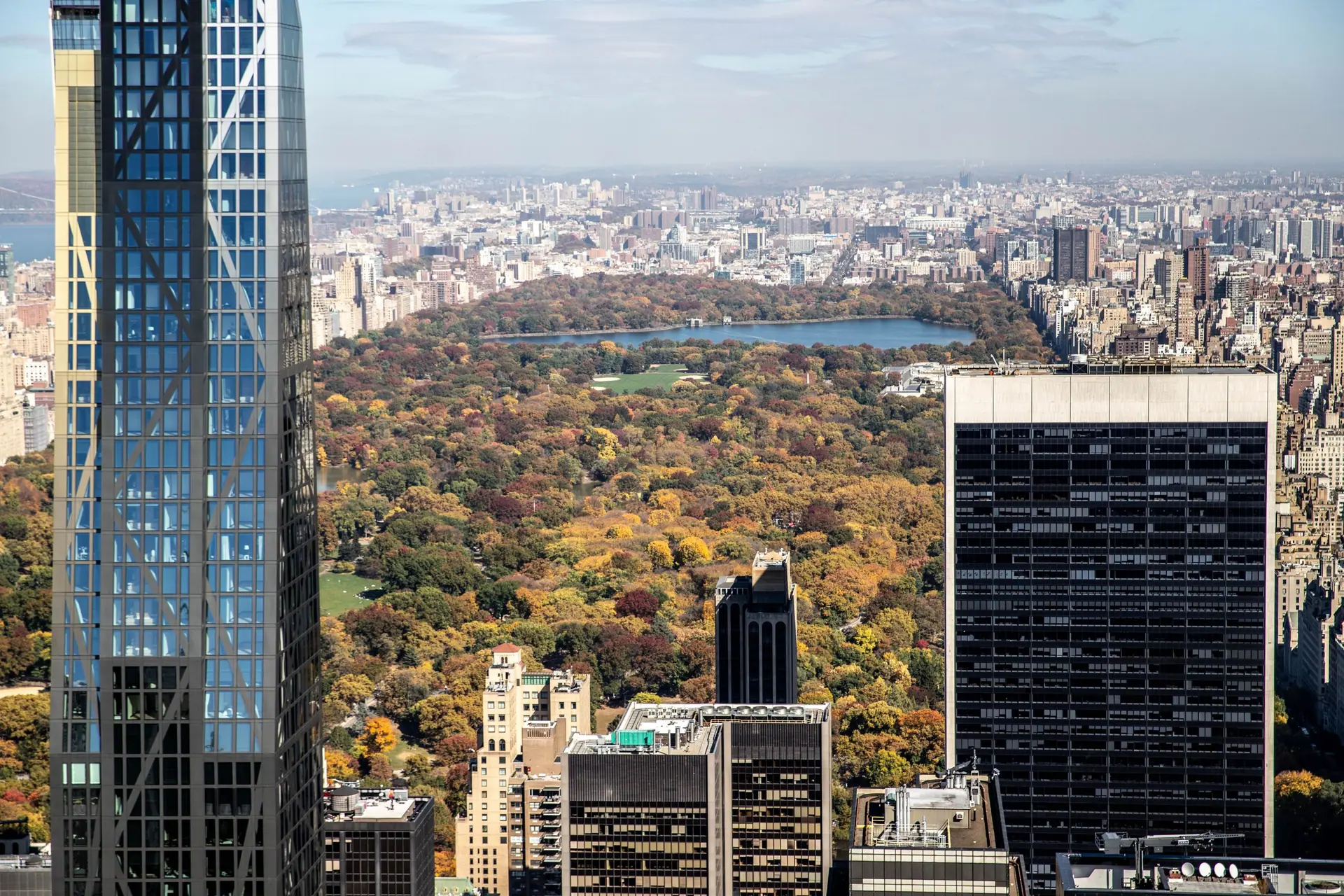
Many of Manhattan's best experiences are free. Central Park is obvious but worth it—rent a bike for $15–$20 per hour or just walk. The High Line is free and offers great views. The Staten Island Ferry is free and gives you a close-up of the Statue of Liberty. Museums have pay-what-you-wish hours: the Metropolitan Museum of Art suggests $30 for adults but allows you to pay what you can if you're a New York State resident (or student from nearby states). The Museum of Modern Art has free admission on Friday evenings from 4–8 pm, but expect crowds.
For skyline views, skip the $40 Empire State Building and head to the Top of the Rock (also pricey at $40) or, better yet, the free viewing area at the Brooklyn Heights Promenade (take the 2/3 to Clark Street). Another cheap thrill: walk across the Brooklyn Bridge at sunrise. If you want a paid attraction, consider the CityPASS (around $140) which bundles several attractions, but only if you plan to visit at least four. Otherwise, pick one or two and budget $30–$40 each.
Keep reading
Questions
How much does a week in Manhattan cost for a budget traveler?
Expect around $800–$1,200 per person for a week, covering hostel dorm ($50–$70/night), food ($30–$50/day), subway ($34 for a 7-day pass), and free attractions. Add $100–$200 for a few paid sights. Book accommodation early for the best rates.
What's the cheapest way to get from the airport to Manhattan?
From JFK, take the AirTrain to Jamaica Station ($8.25) and transfer to the subway ($2.90). From Newark, NJ Transit to Penn Station costs about $15. From LaGuardia, the Q70 bus to Jackson Heights is free, then subway. Taxis start at $50–$70.
Are there affordable hotels in Manhattan itself?
Yes, but limited. Pod 51 and Pod 39 in Midtown offer small rooms from around $150–$200 per night. Budget chains like Comfort Inn and Best Western in Long Island City (Queens) are often cheaper, starting at $120, and are a short subway ride away.
When is the cheapest time to visit Manhattan?
January and February (after New Year's) are cheapest for hotels, with rates 20–30% lower than spring. Avoid major events like the UN General Assembly in September and the Thanksgiving parade. Summer is peak season, so expect higher prices.
How can I find free things to do in Manhattan?
Visit Central Park, the High Line, and the Staten Island Ferry (free). Many museums have pay-what-you-wish hours, like the Met and MoMA (free Friday evenings). Walking tours and public libraries also offer free activities.
What's the best way to save on food in Manhattan?
Eat at street carts ($8–$10), ethnic neighborhoods like Chinatown for dumplings ($5–$8), and take advantage of happy hour deals ($5–$7 appetizers). Grocery stores like Trader Joe's help for picnic meals. Avoid Times Square restaurants.
Do I need a MetroCard or can I use contactless payment?
You can use contactless payment (OMNY) by tapping your credit card or phone at subway turnstiles. The fare is $2.90 per ride, and fares are capped at $34 per week. MetroCards are being phased out, so OMNY is the way to go.
Is it safe to walk around Manhattan at night?
Manhattan is generally safe for tourists, but exercise common sense: stick to well-lit areas, avoid empty streets, and keep valuables secure. The subway runs 24/7, but late-night waits can feel uneasy—sit near the conductor.