
Sleeping and Eating: The Two Biggest Line Items
Hotel rooms in Manhattan average $200–$400 per night, but you can cut that by staying outside the tourist core. Look in Long Island City (Queens), just one subway stop from Midtown, where rates often run $150–$250. In Manhattan itself, try the Lower East Side or Harlem; both have boutique hotels in the $180–$300 range. Avoid times like the UN General Assembly in September and the Thanksgiving parade, when prices spike. Book directly with the hotel for the best available rate and to avoid third-party fees.
Food costs vary widely. A casual lunch at a deli or food truck runs $8–$15, while dinner at a mid-range restaurant is $25–$40 per person. Save by eating one meal a day from a grocery store like Trader Joe's or a halal cart ($6–$8 for a platter). Coffee at a bodega is $1.50–$2.50, versus $4–$5 at a café. The best value is often in ethnic neighbourhoods: Chinatown for dumplings, Jackson Heights for Indian, and the Bronx's Arthur Avenue for Italian.
Getting Around: Subway, Walking, and Occasional Taxis
The subway is your best bet. A single ride costs $2.90 with a MetroCard (or tap-to-pay with OMNY). A 7-day unlimited MetroCard is $34, which pays off if you take more than 12 rides. From JFK, the AirTrain ($8.25) connects to the subway for $2.90 more; a taxi is a flat $70 plus tolls and tip. From Newark, NJ Transit to Penn Station is $15.25. Driving into Manhattan is expensive: tolls from $10.50 (depending on crossing) and parking garages charge $40–$80 per day. Skip the rental car entirely.
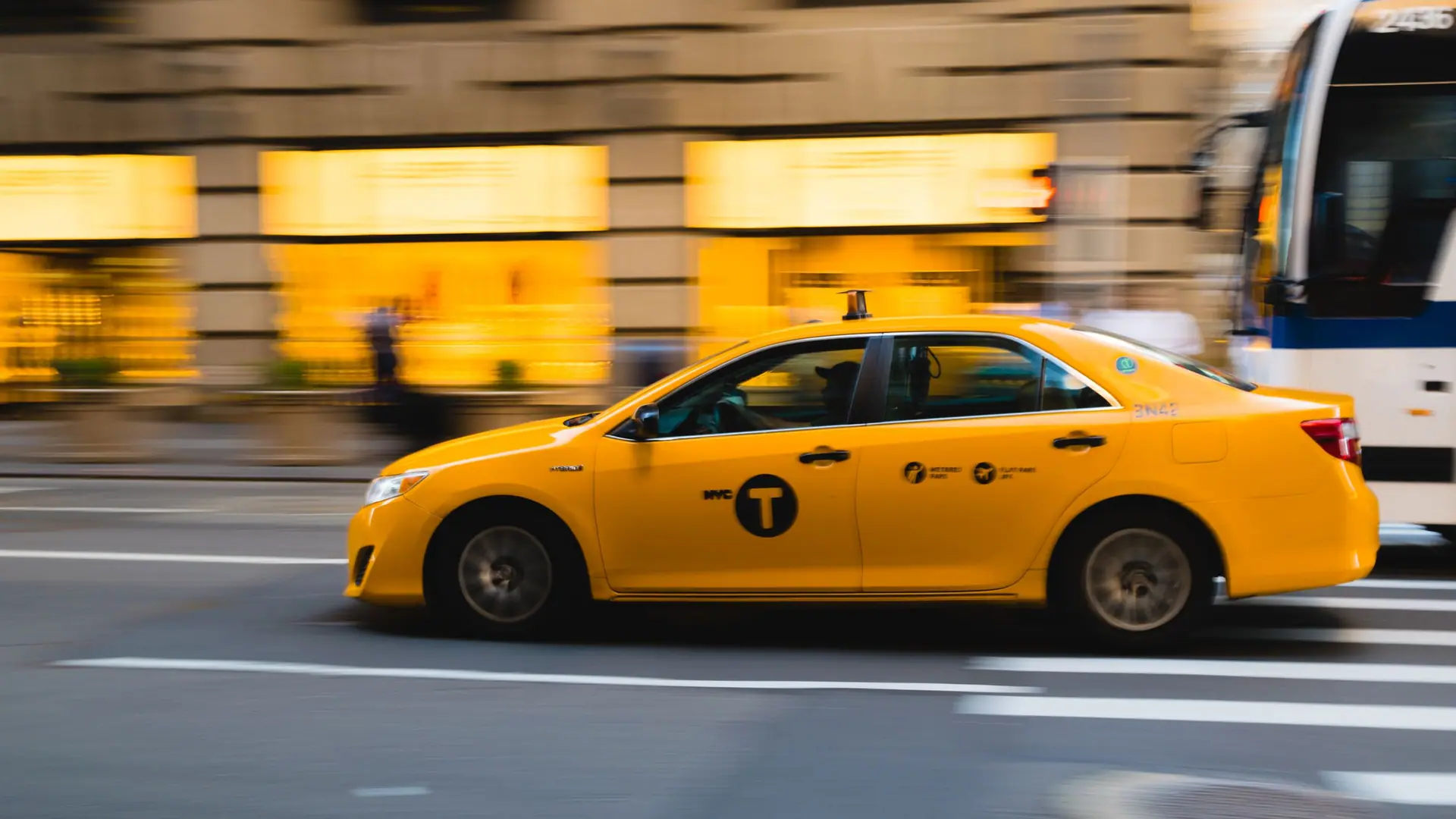
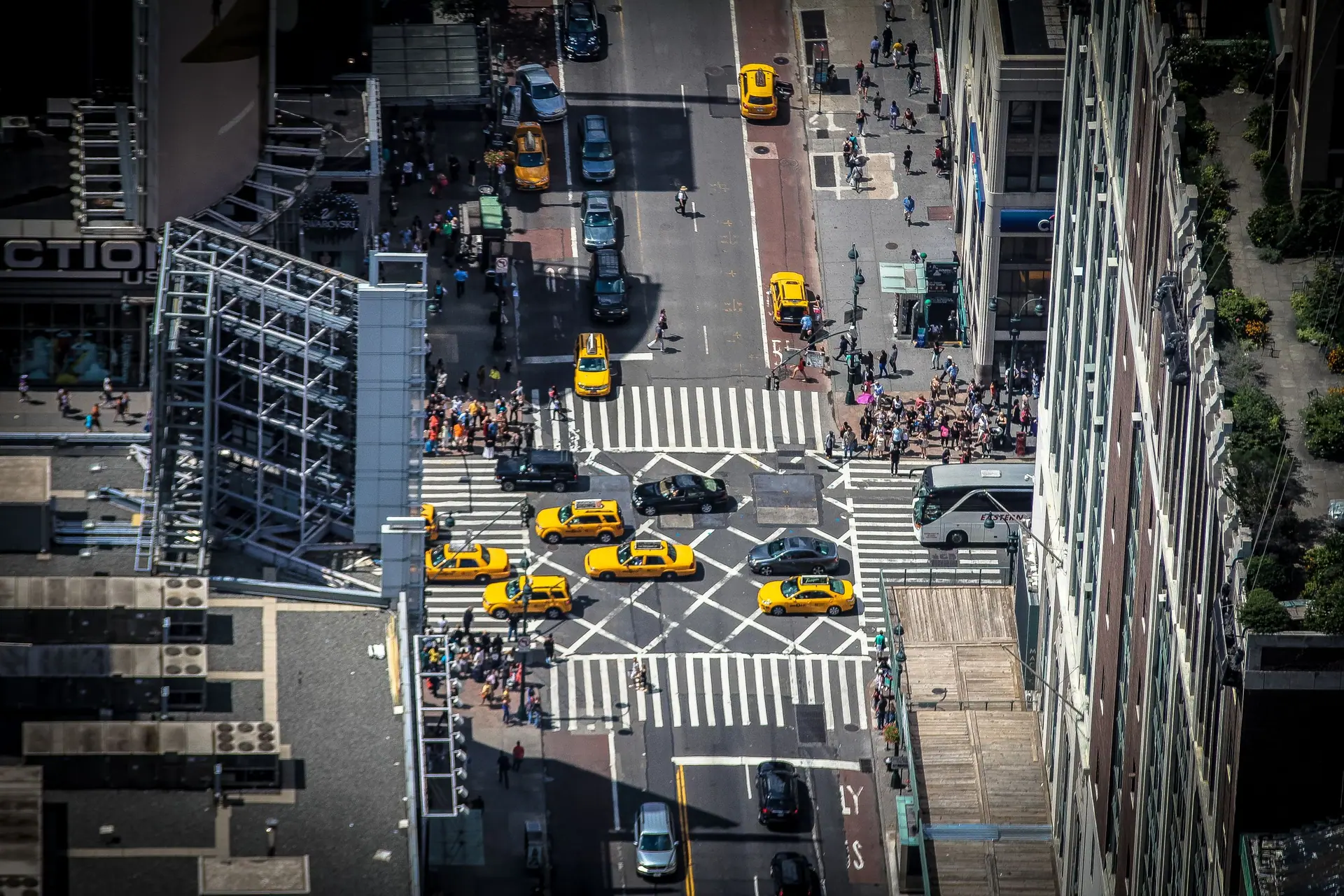
Walking is free and often faster than taxis in Midtown traffic. The city is grid-like above 14th Street, so you can cover 20 blocks in about 20 minutes. For longer hops, use the subway. Taxis are best for late nights or when carrying luggage. Apps like Via offer shared rides for $5–$10, but they can be unreliable during peak hours. If you're staying in Long Island City, the ferry to Midtown is $4 and offers great views.
Attractions: Where to Save and Where to Splurge
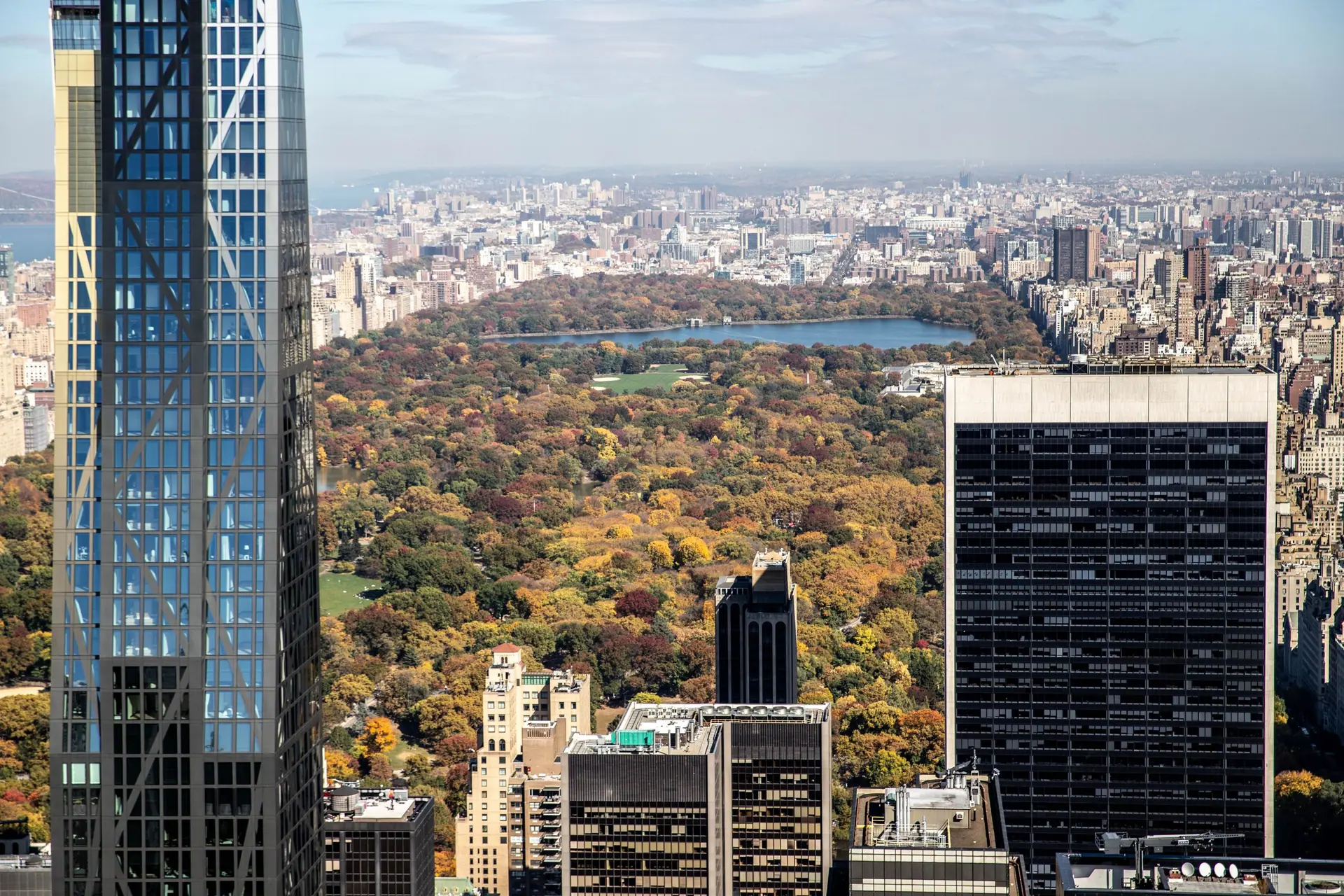
Many of Manhattan's best experiences are free: walking the High Line, exploring Central Park (rent a bike for $15–$20 per hour if you want speed), and people-watching in Times Square. Museums: The Metropolitan Museum of Art suggests $30 for adults but accepts any amount; the Museum of Modern Art is $30 (free on Fridays 4–8 pm). The American Museum of Natural History is $23 (pay-what-you-wish for New York residents). Broadway shows: use the TKTS booth in Duffy Square for same-day discounts of 20–50%, or rush tickets for as low as $30.
Skip the Empire State Building observation deck ($44) and head to Top of the Rock ($40) for better views of the Empire State Building itself. The Staten Island Ferry is free and passes the Statue of Liberty. For a splurge, a Circle Line cruise around the island is $37. If you're visiting multiple attractions, check if a CityPASS ($132 for 5 attractions) saves money. Book museum tickets online to avoid lines, but note that some museums have pay-what-you-wish hours.
Hidden Costs and Money-Saving Tips
Don't forget taxes and tips: sales tax in NYC is 8.875%, and hotels charge a daily occupancy tax of $3.50 per room plus 14.75% tax. Restaurants expect 15–20% tips. Budget for these extras. Also, many hotels hold a deposit per night for incidentals; check your card's available credit. Free water: bring a refillable bottle; NYC tap water is safe and fountains are everywhere. Avoid buying water at $3 a pop.
For discounts, get a New York CityPASS or Explorer Pass if you plan on several attractions. The NYC Ferry is a cheap way to see the skyline ($4). Many banks have partnerships with museums for free admission days. If you're a student, carry your ID for discounts. And consider visiting in January or February, when hotel rates drop by 20–30% and crowds are thinner, though some attractions have reduced hours. Book your hotel early for the best selection.
Keep reading
Questions
How much does a typical day in Manhattan cost for a budget traveler?
Expect $100–$150 per day: $50–$80 for a hostel or budget hotel (outside Manhattan), $20–$30 for food from carts and delis, $10–$15 for subway and attractions, and $10 for miscellaneous. Staying in Manhattan raises accommodation to $150+.
What's the cheapest way to get from JFK to Manhattan?
Take the AirTrain ($8.25) to Jamaica Station, then the subway (E, J, or Z) for $2.90. Total under $12. A taxi is faster but costs $70 plus tolls and tip. The Long Island Rail Road from Jamaica to Penn Station is $7.75 extra but quicker.
Are there free things to do in Manhattan?
Yes: walk the High Line, visit Central Park, take the Staten Island Ferry (free), explore Grand Central Terminal, and attend free events at places like the New York Public Library. Many museums have pay-what-you-wish hours.
When is the cheapest time to visit Manhattan?
January and February are cheapest for hotels, with rates 20–30% lower than spring. Avoid major holidays and events like the UN General Assembly (September) and the Thanksgiving Day Parade. Weekends are pricier than weekdays.
How much should I budget for food per day?
On a budget, $30–$50 per day: breakfast from a deli ($5), lunch from a food cart ($8–$10), dinner at a casual restaurant ($15–$20). Add $10–$15 for coffee and snacks. Splurge meals can cost $50+.
Do I need a MetroCard?
Yes, for unlimited rides. A 7-day MetroCard ($34) is good if you take more than 12 rides. Otherwise, use OMNY tap-to-pay with your phone or card. Single rides are $2.90. The card also works on buses.
Is it cheaper to stay outside Manhattan and commute?
Often yes. Long Island City and Downtown Brooklyn have hotels $50–$100 cheaper per night and are 10–15 minutes from Midtown by subway. Factor in $5.80 per day for round-trip subway fare. Total savings can be significant.
What are the hidden costs I should watch out for?
Hotel taxes (14.75% + $3.50 per night), restaurant tips (15–20%), and sales tax (8.875%). Also, some hotels charge resort fees. Carry a refillable water bottle to avoid $3 waters. Check your hotel's deposit policy.